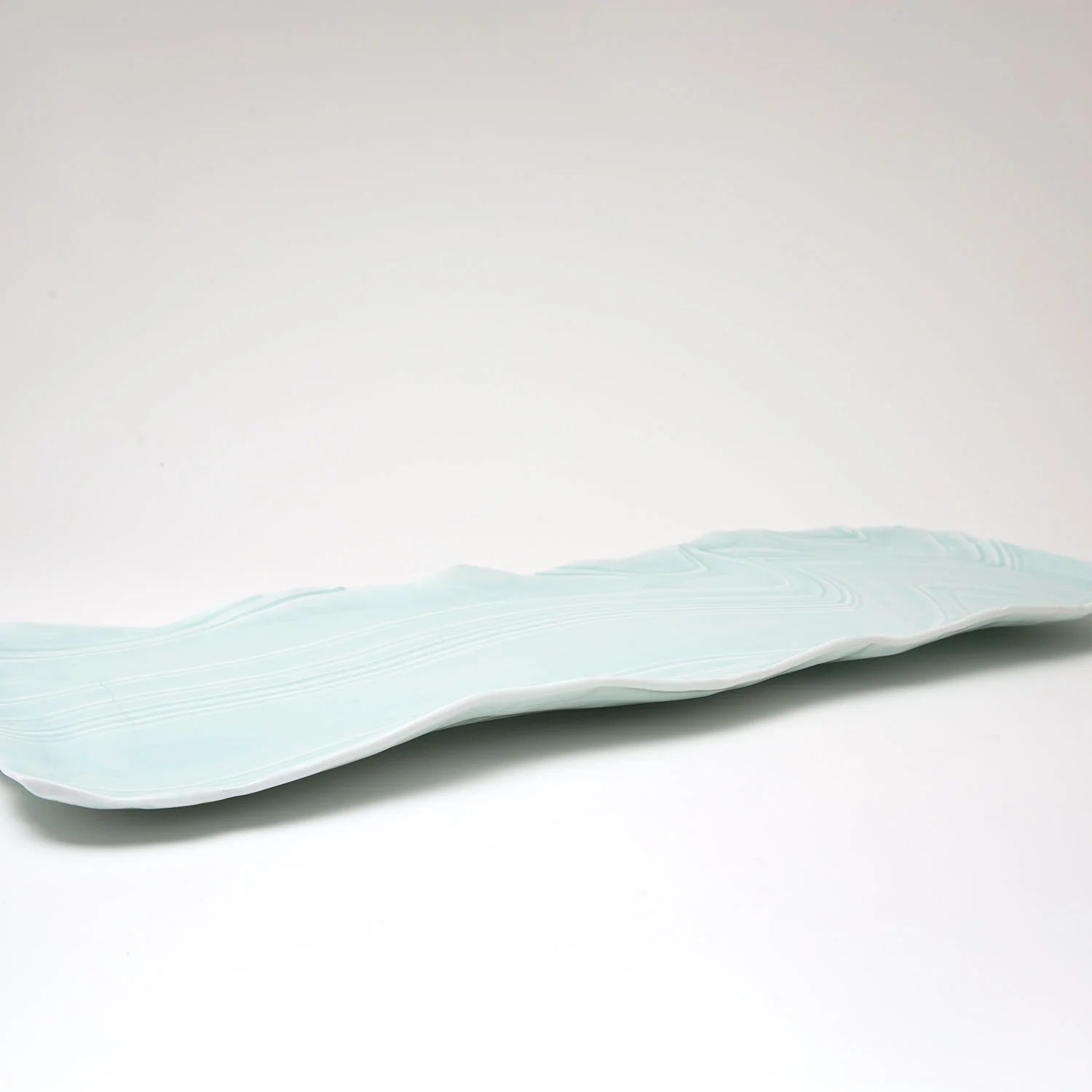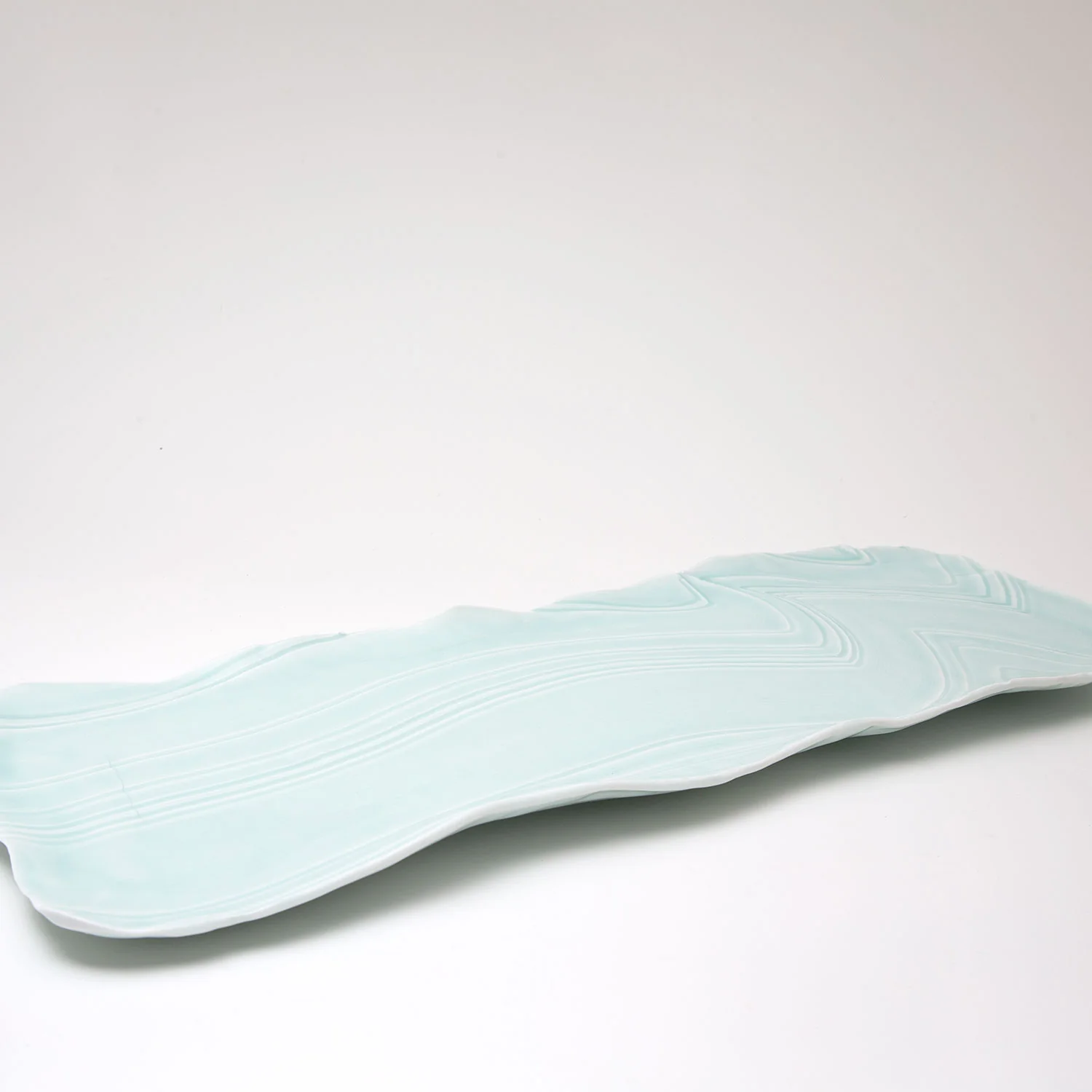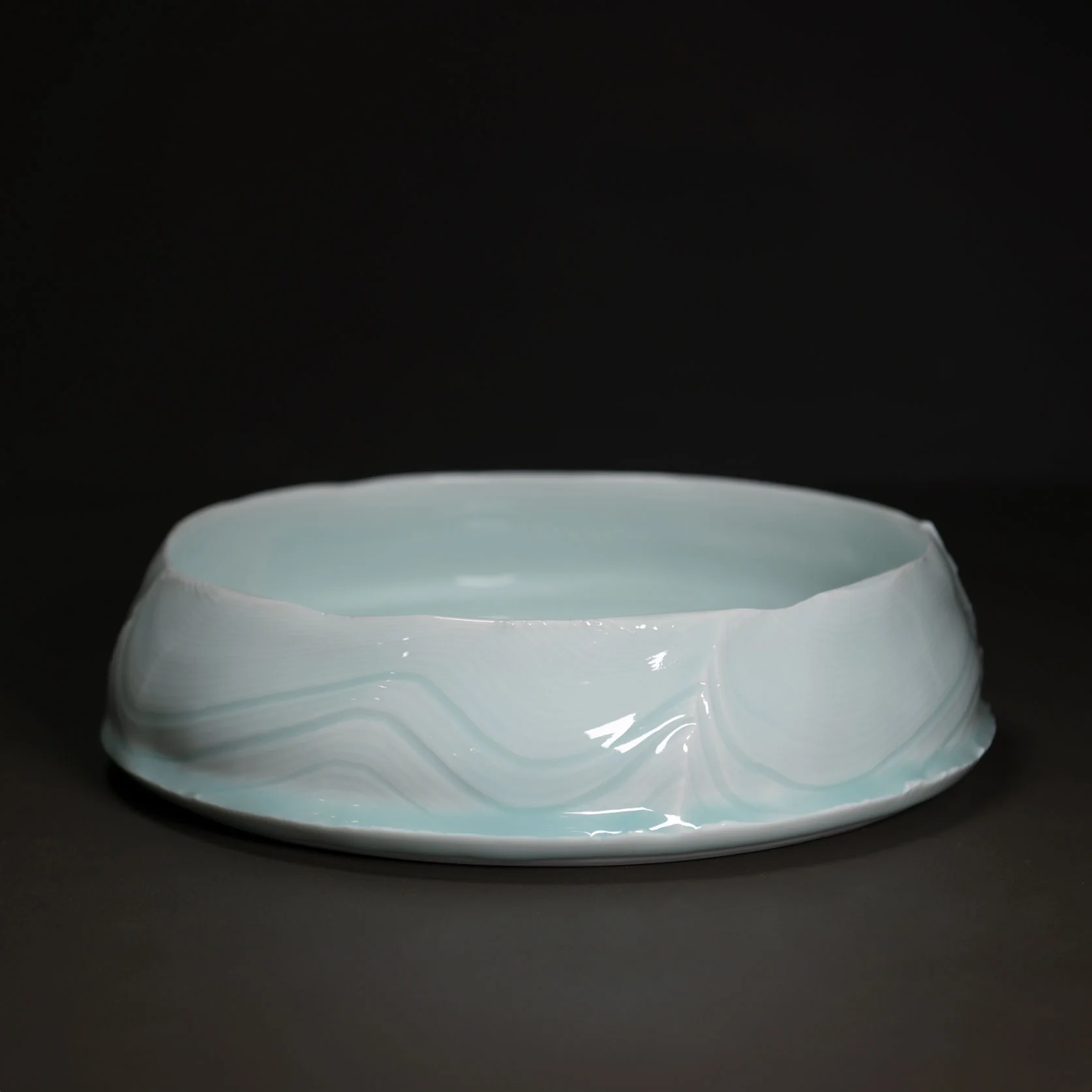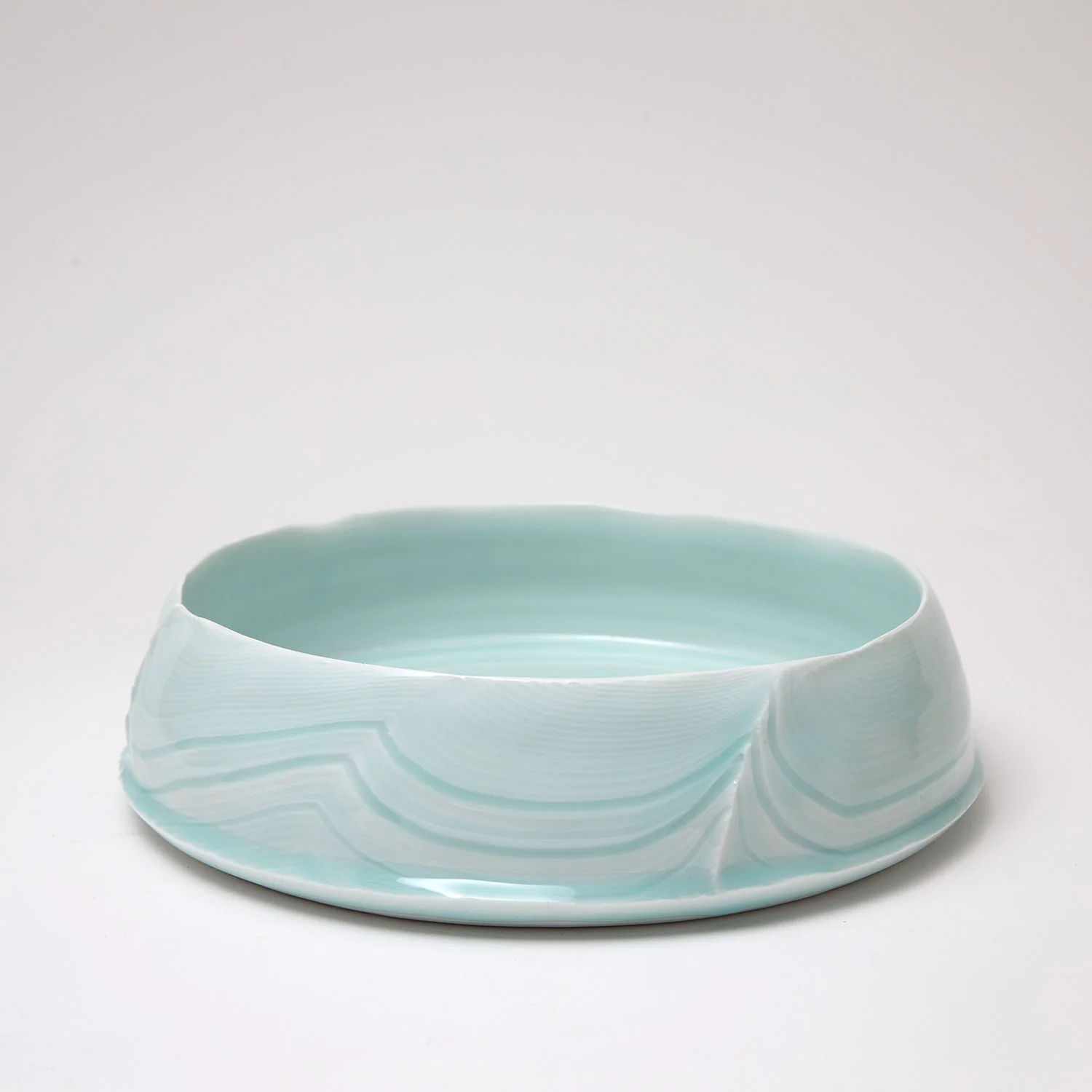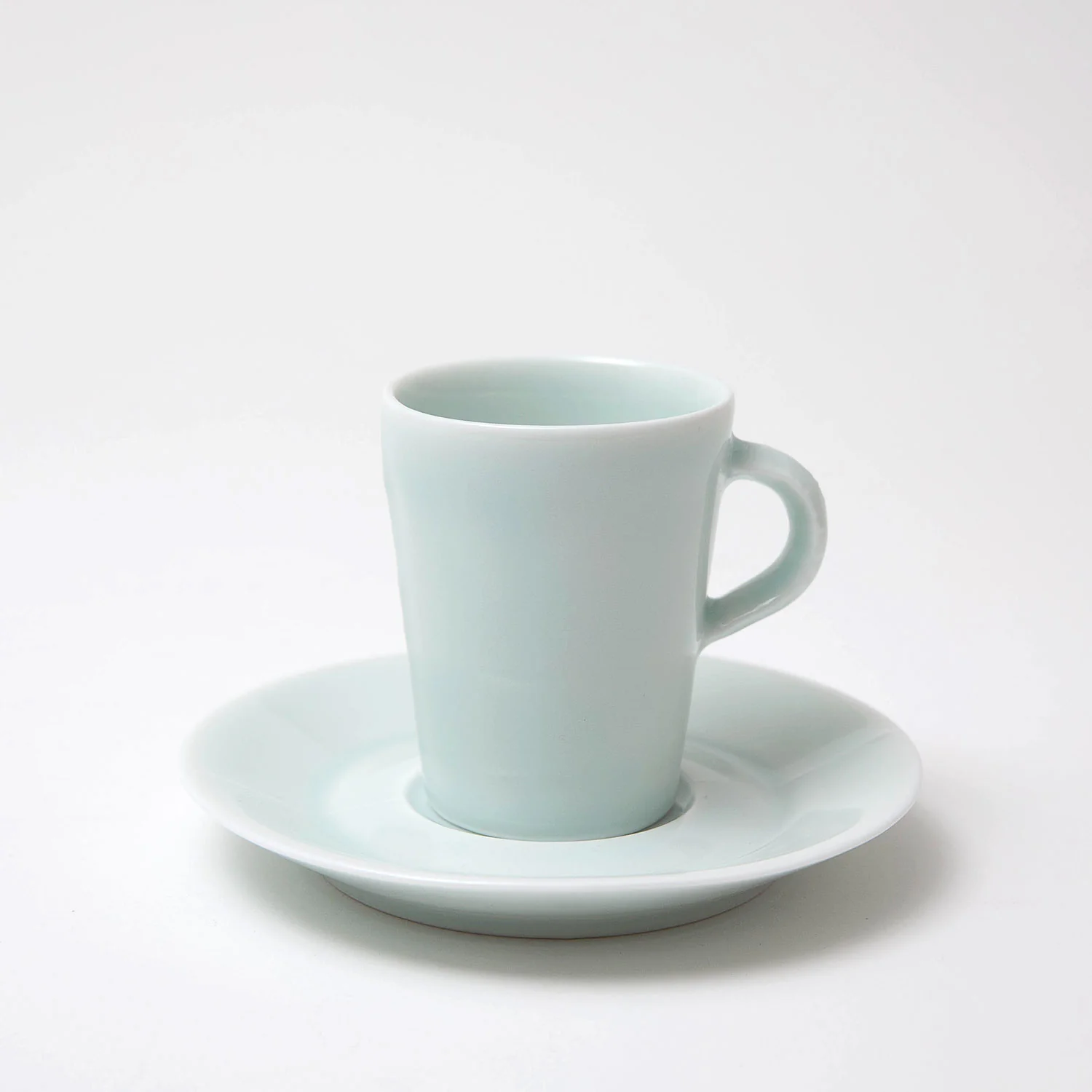
Demitasse & Saucer
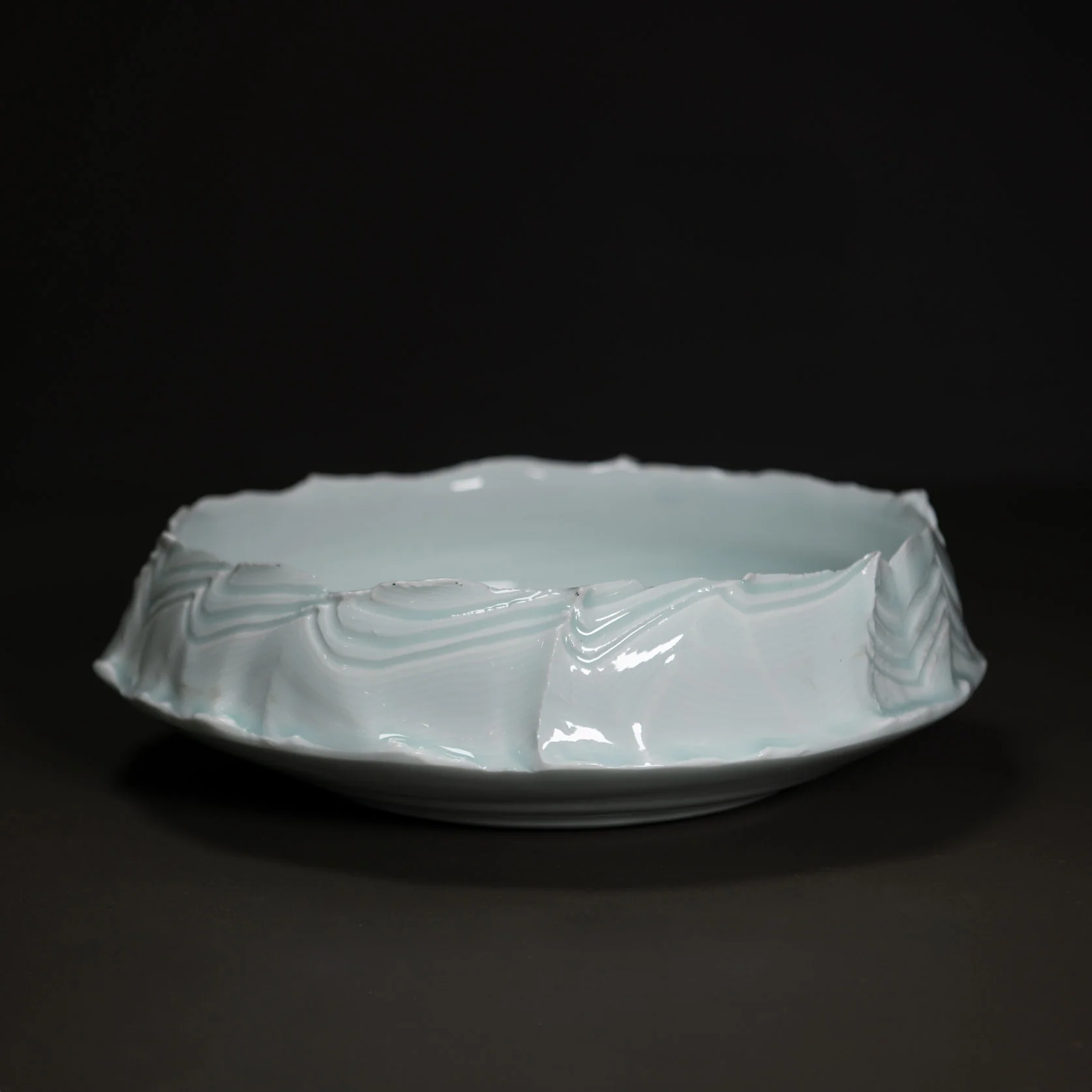
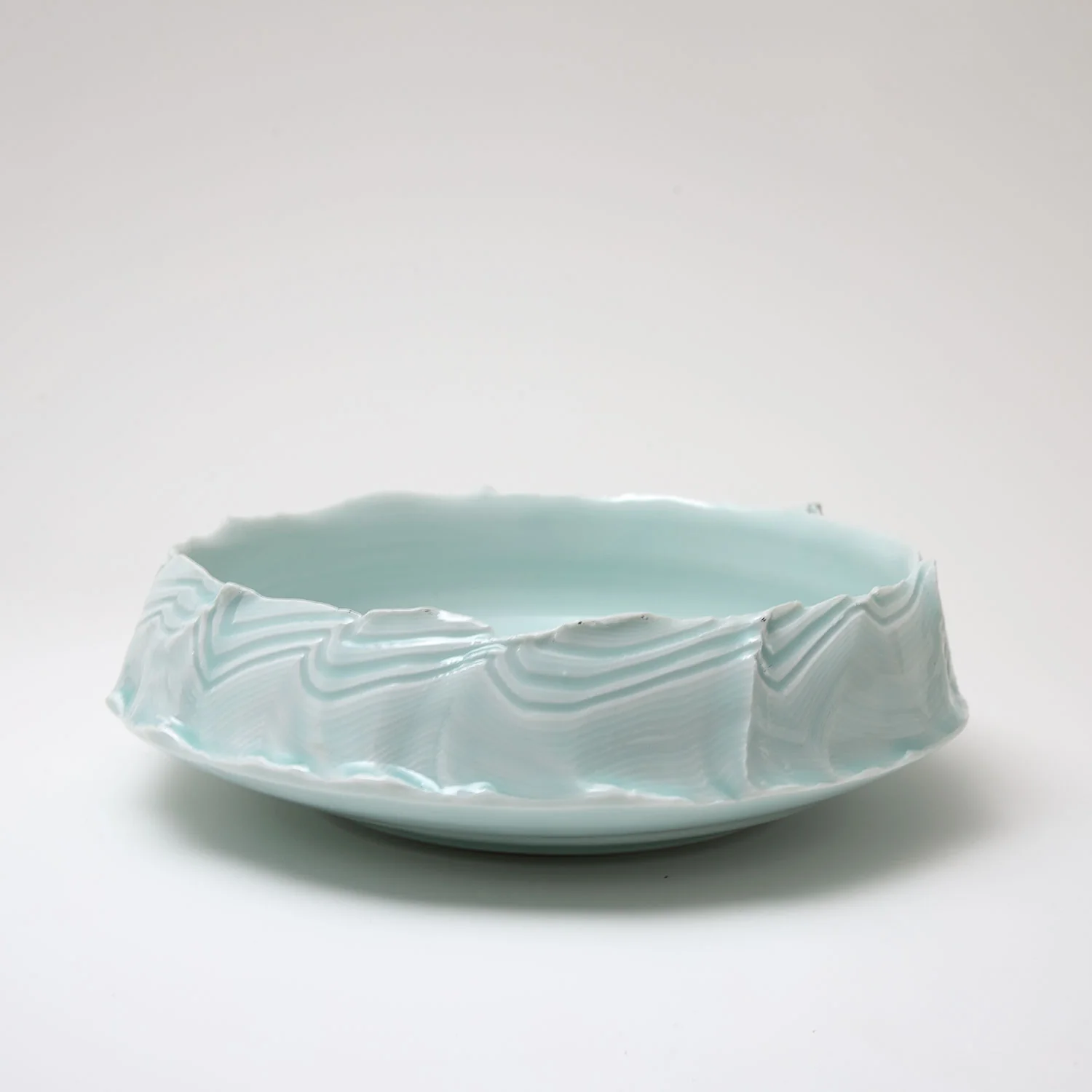
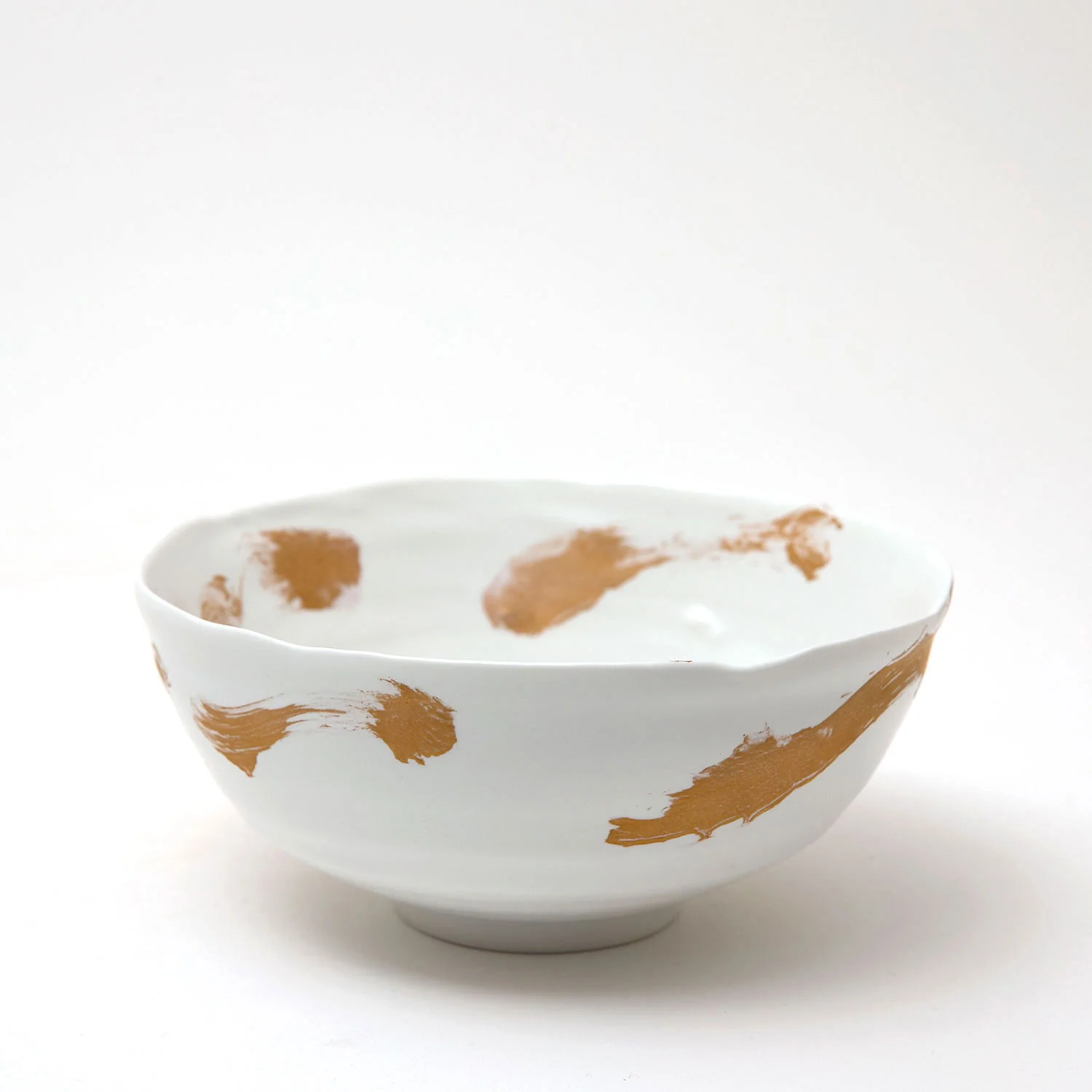
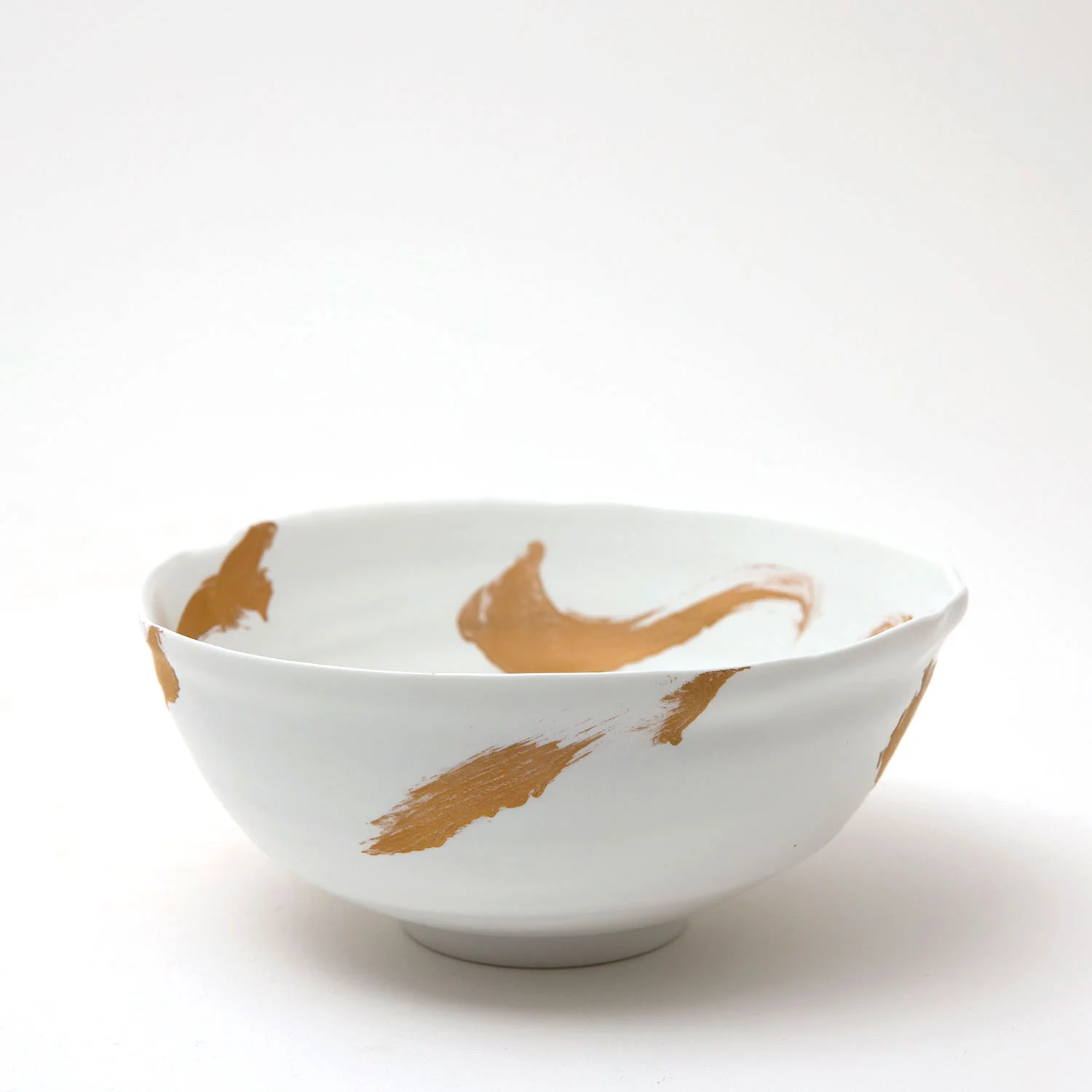
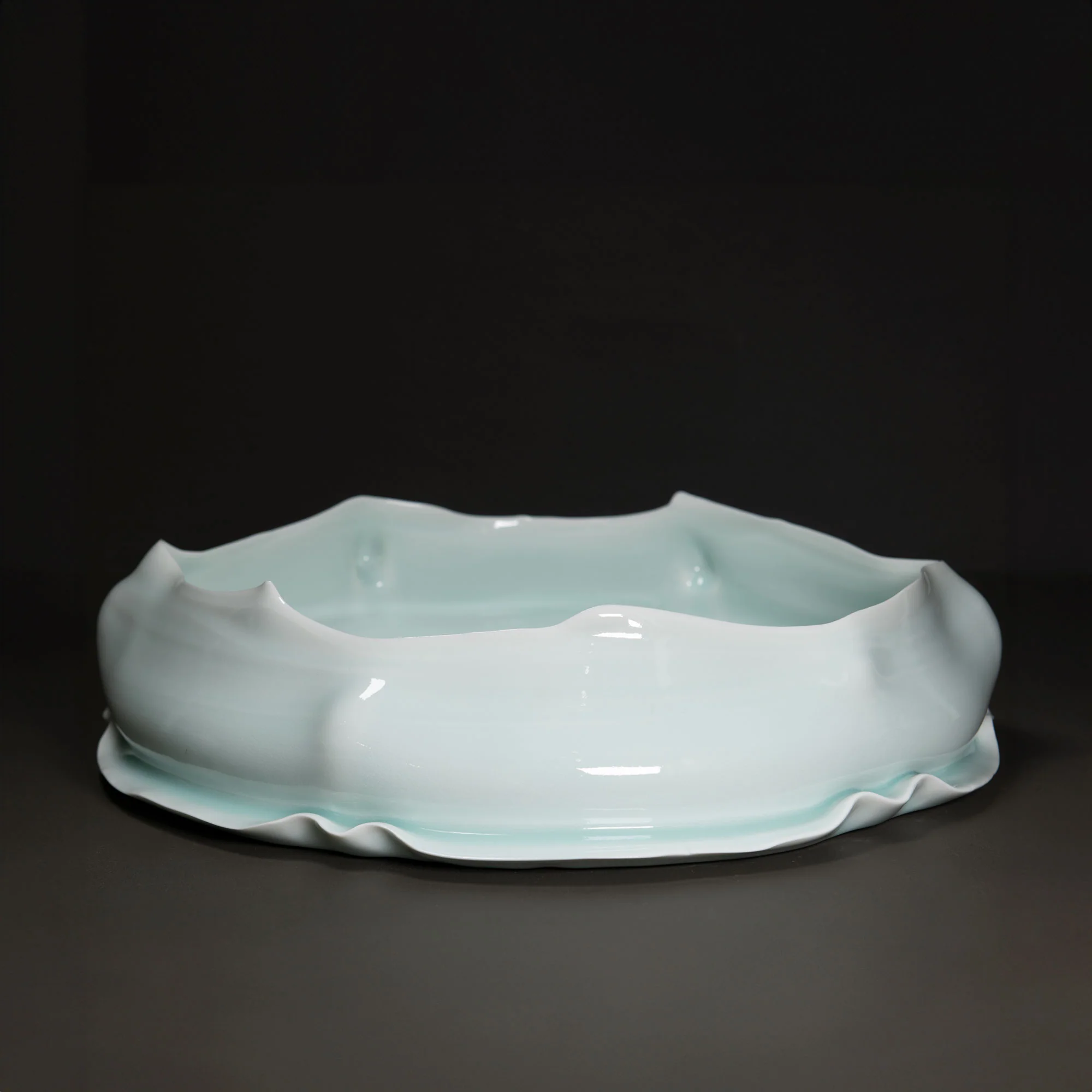
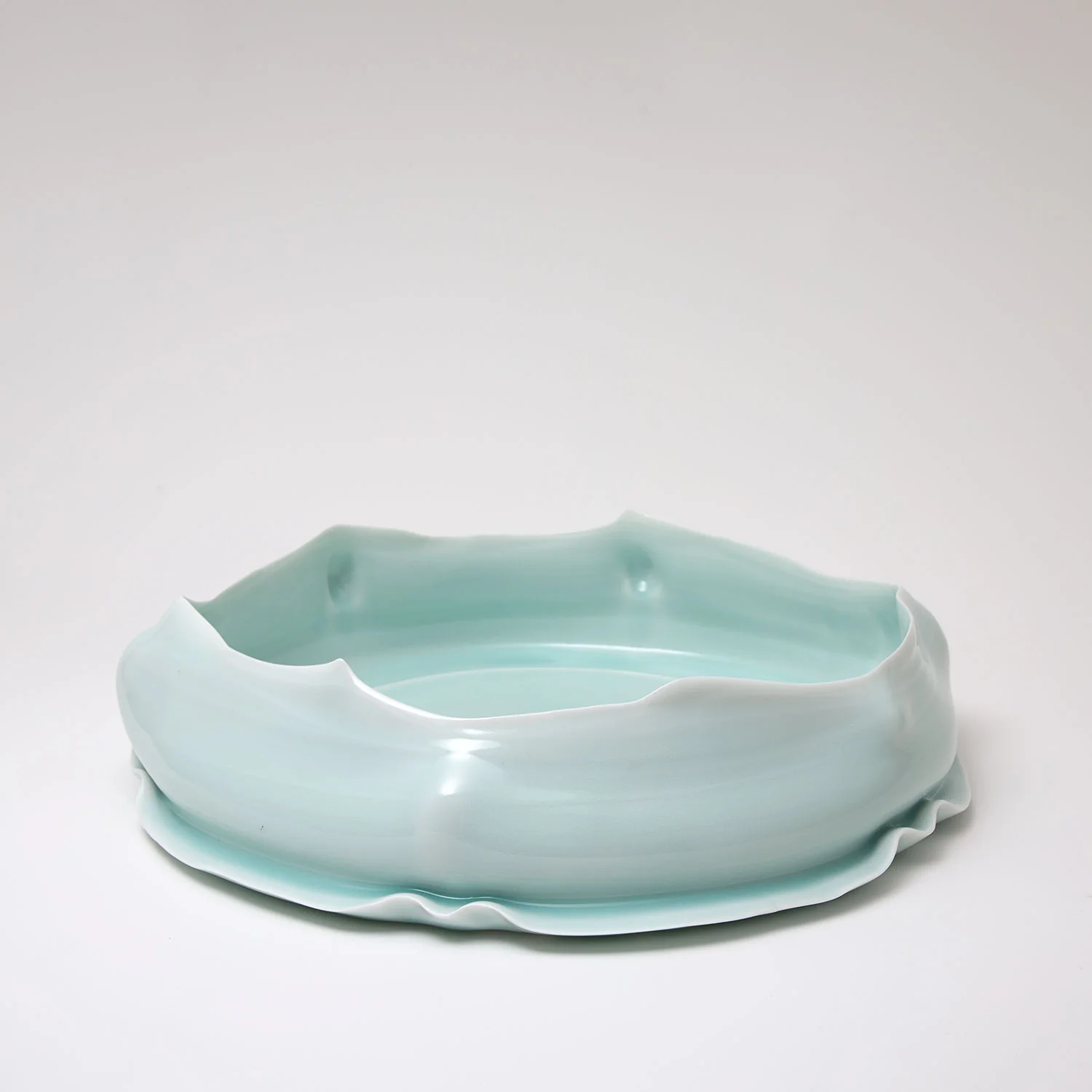
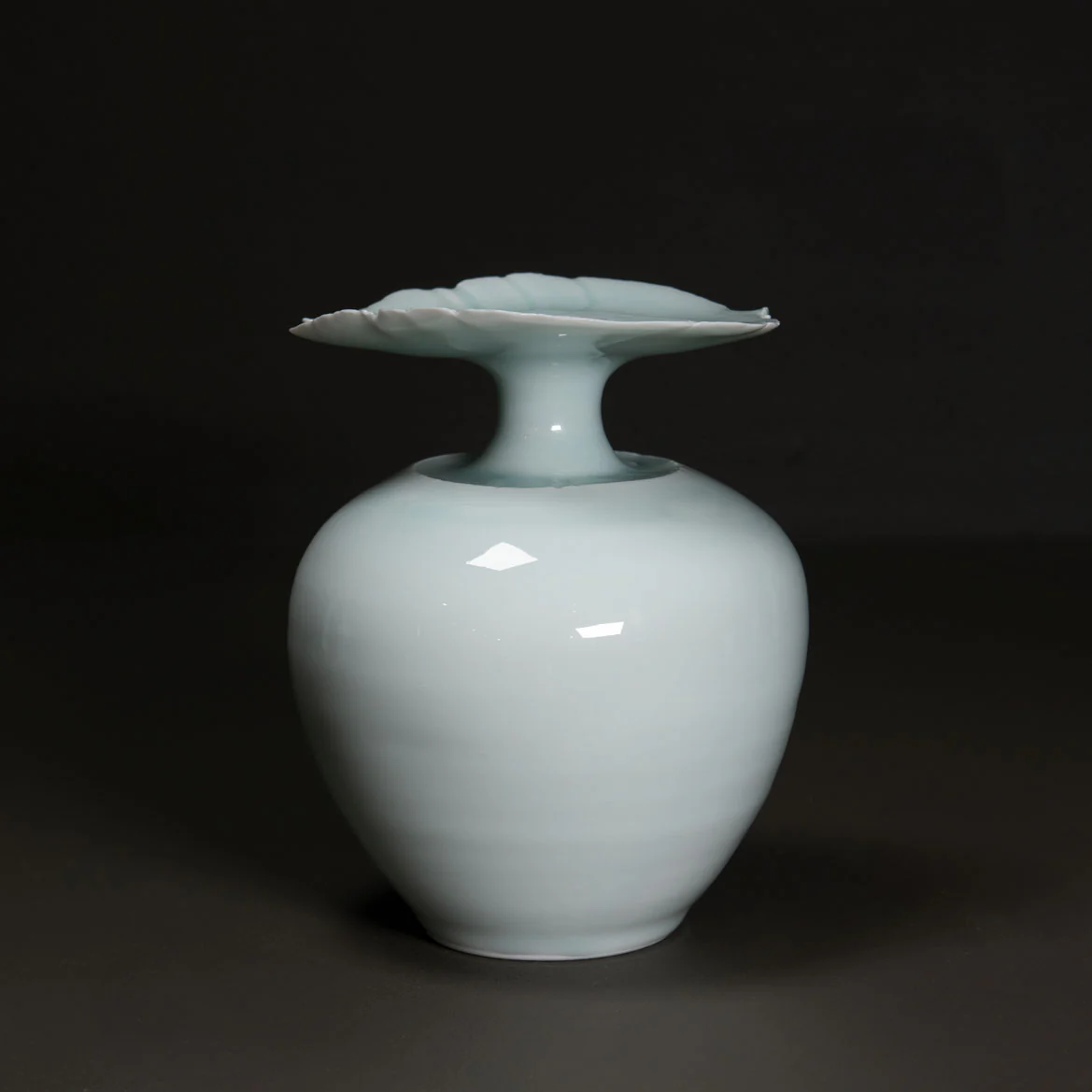
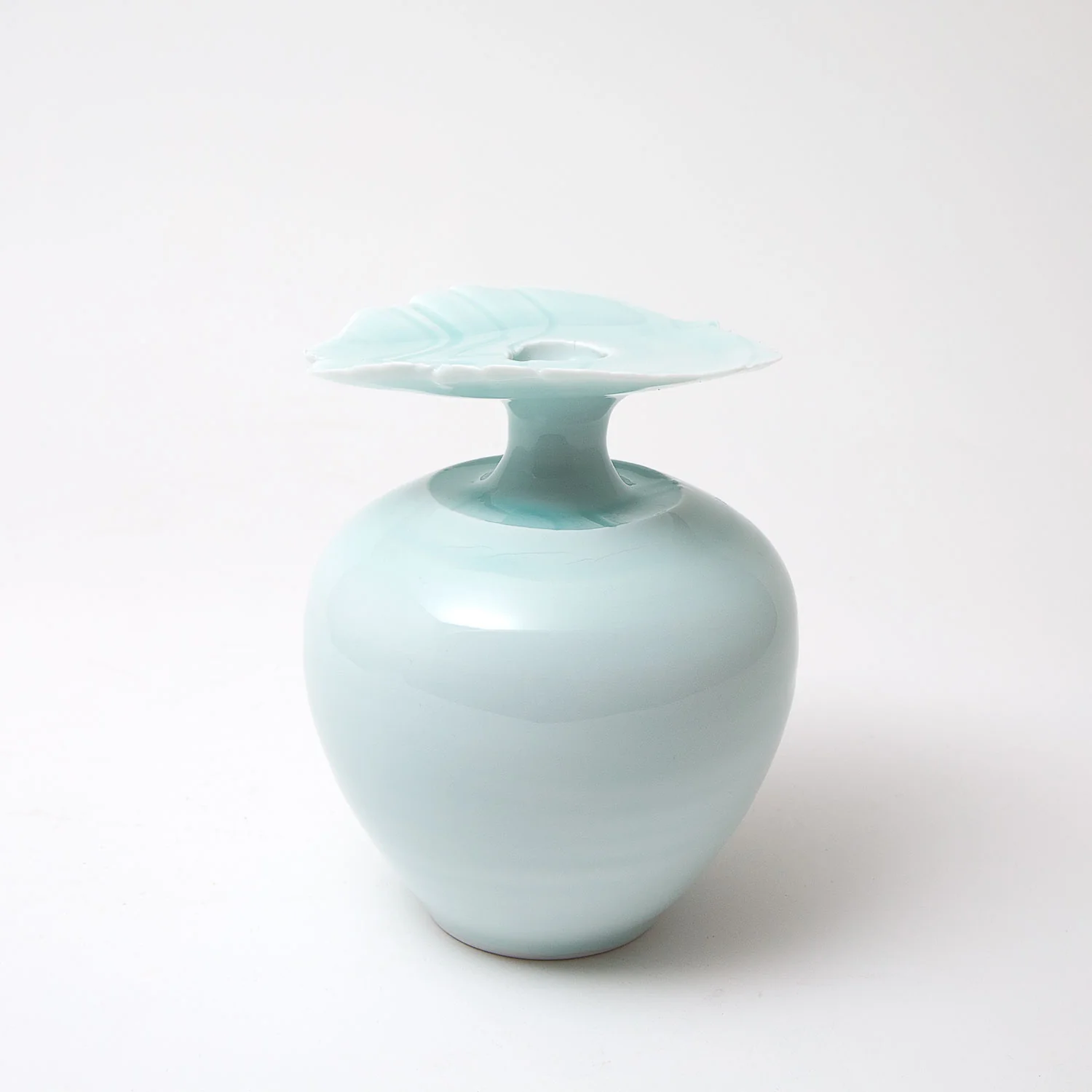
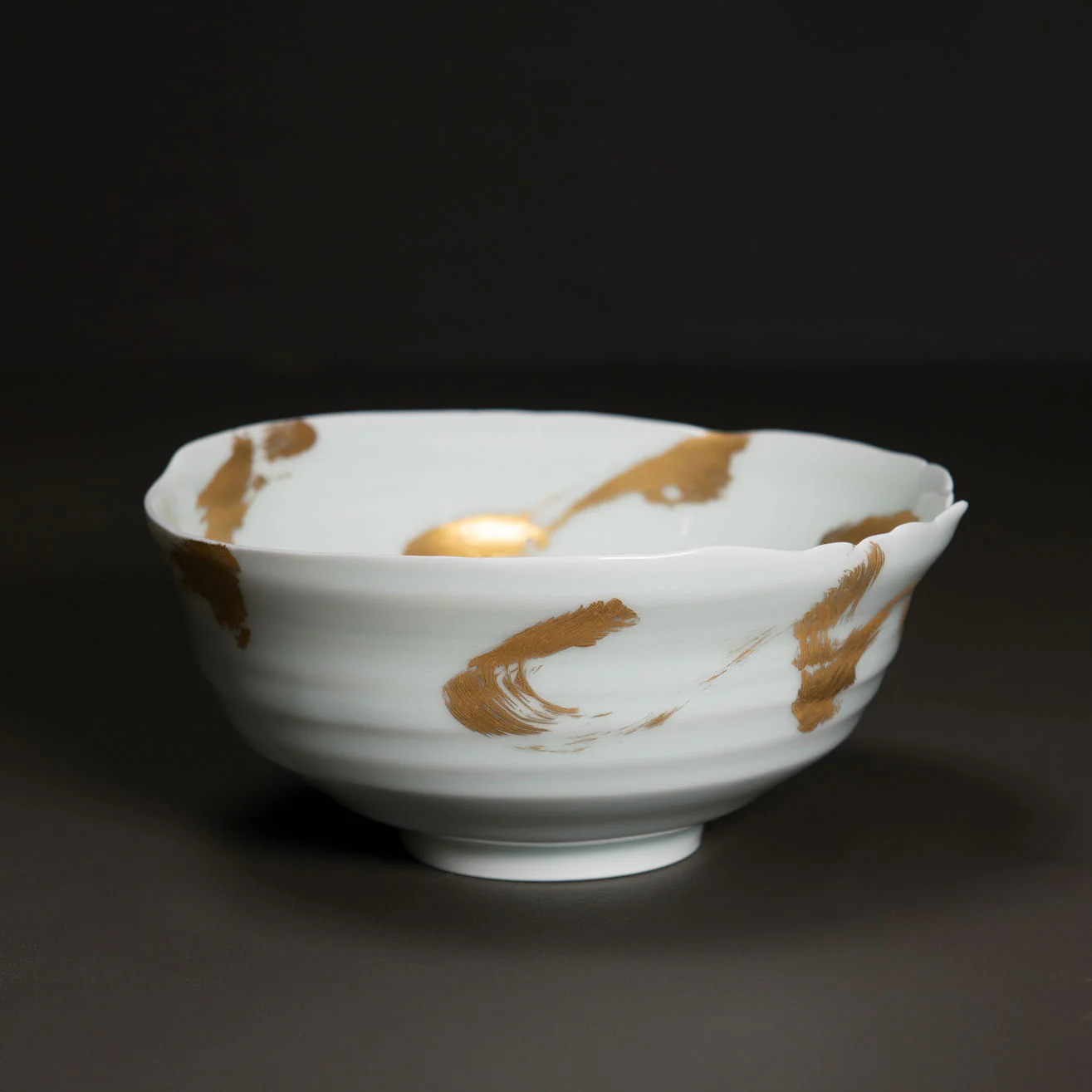
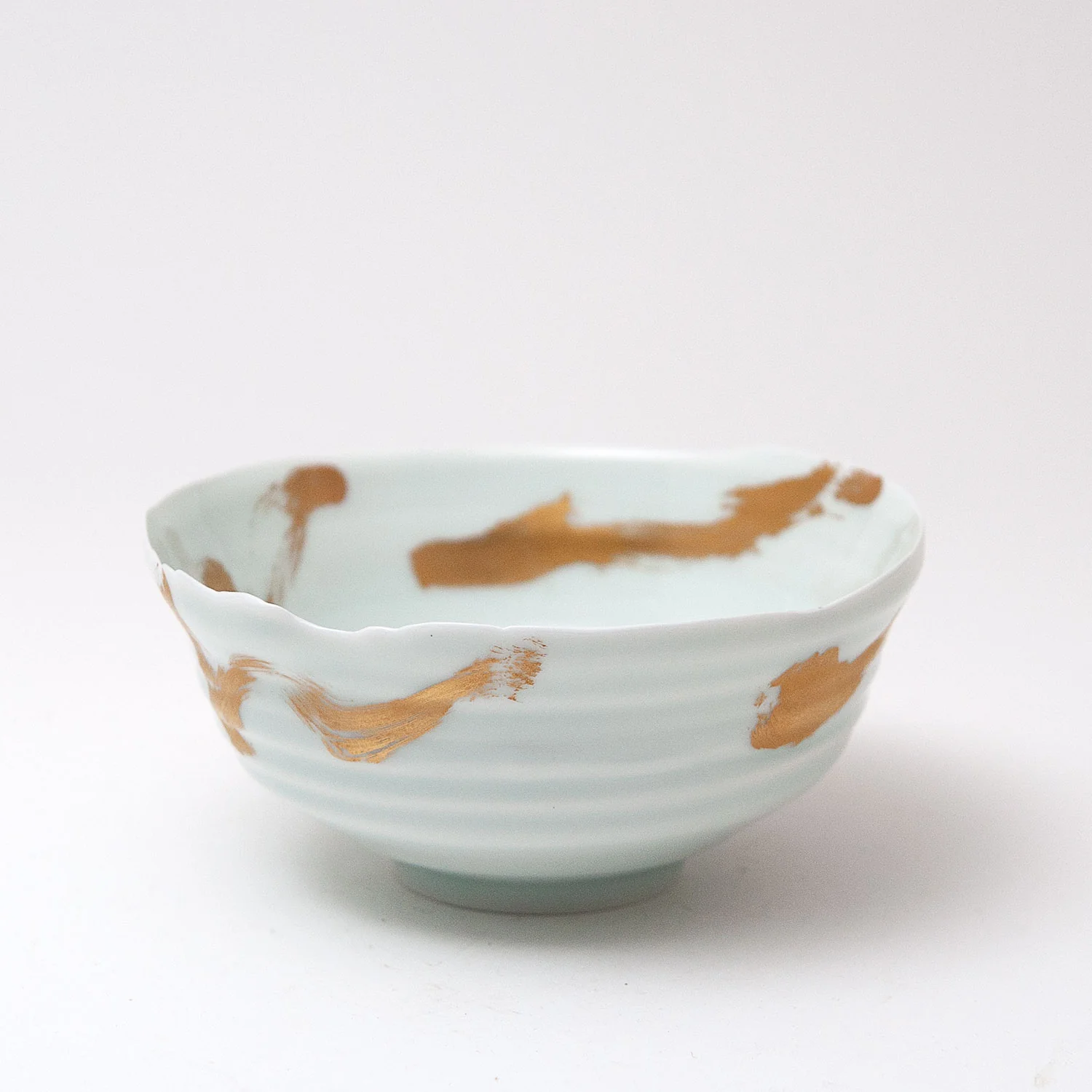
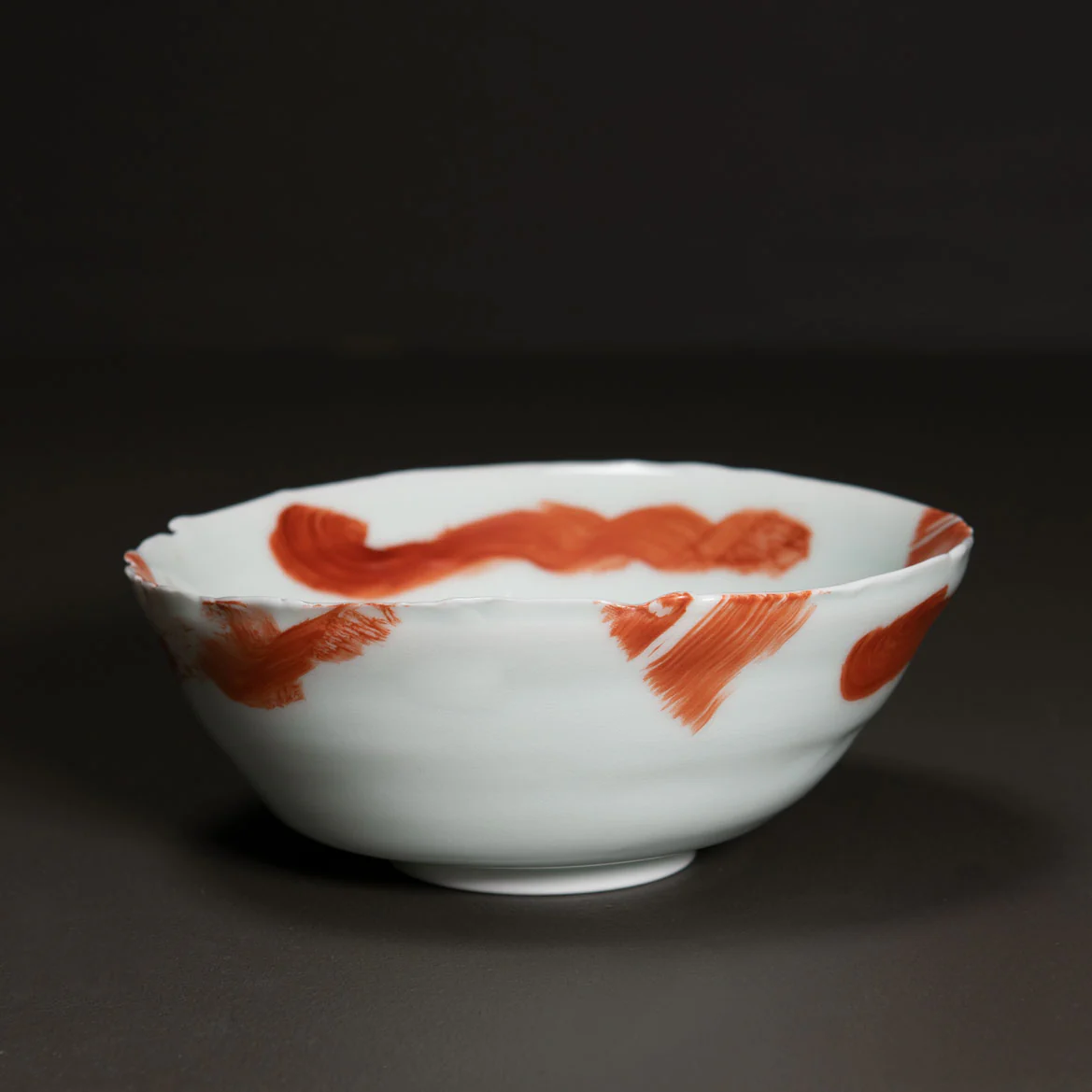
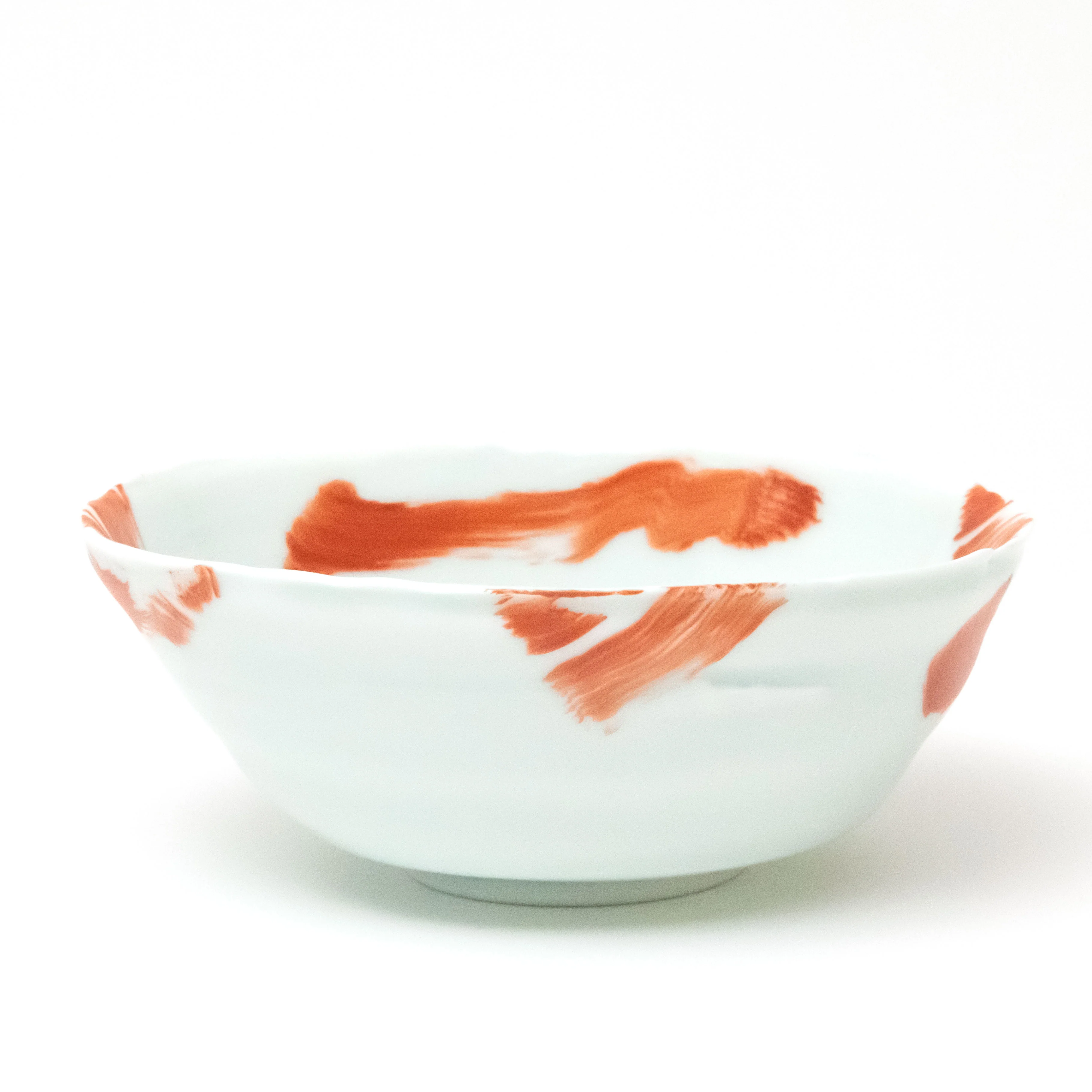
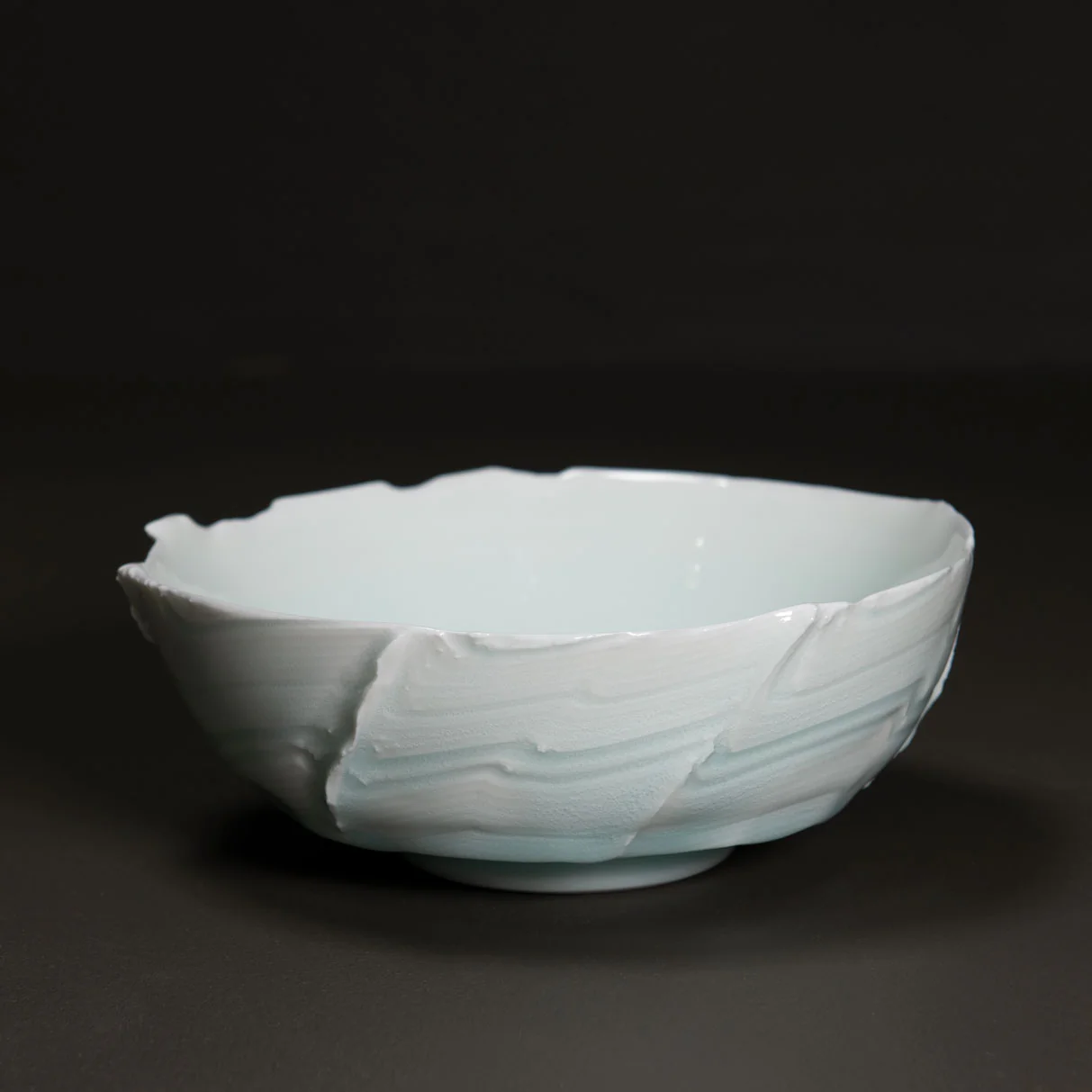
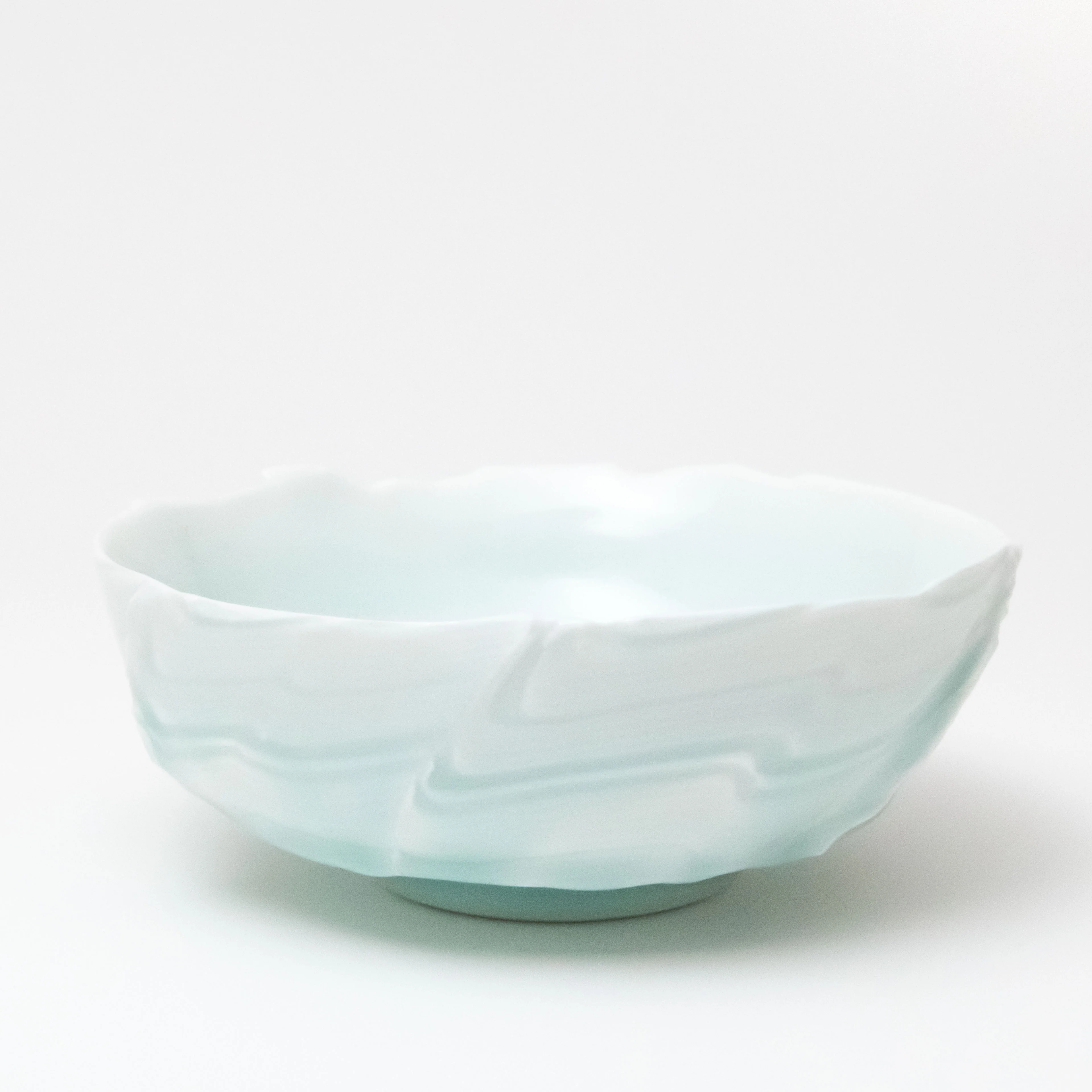
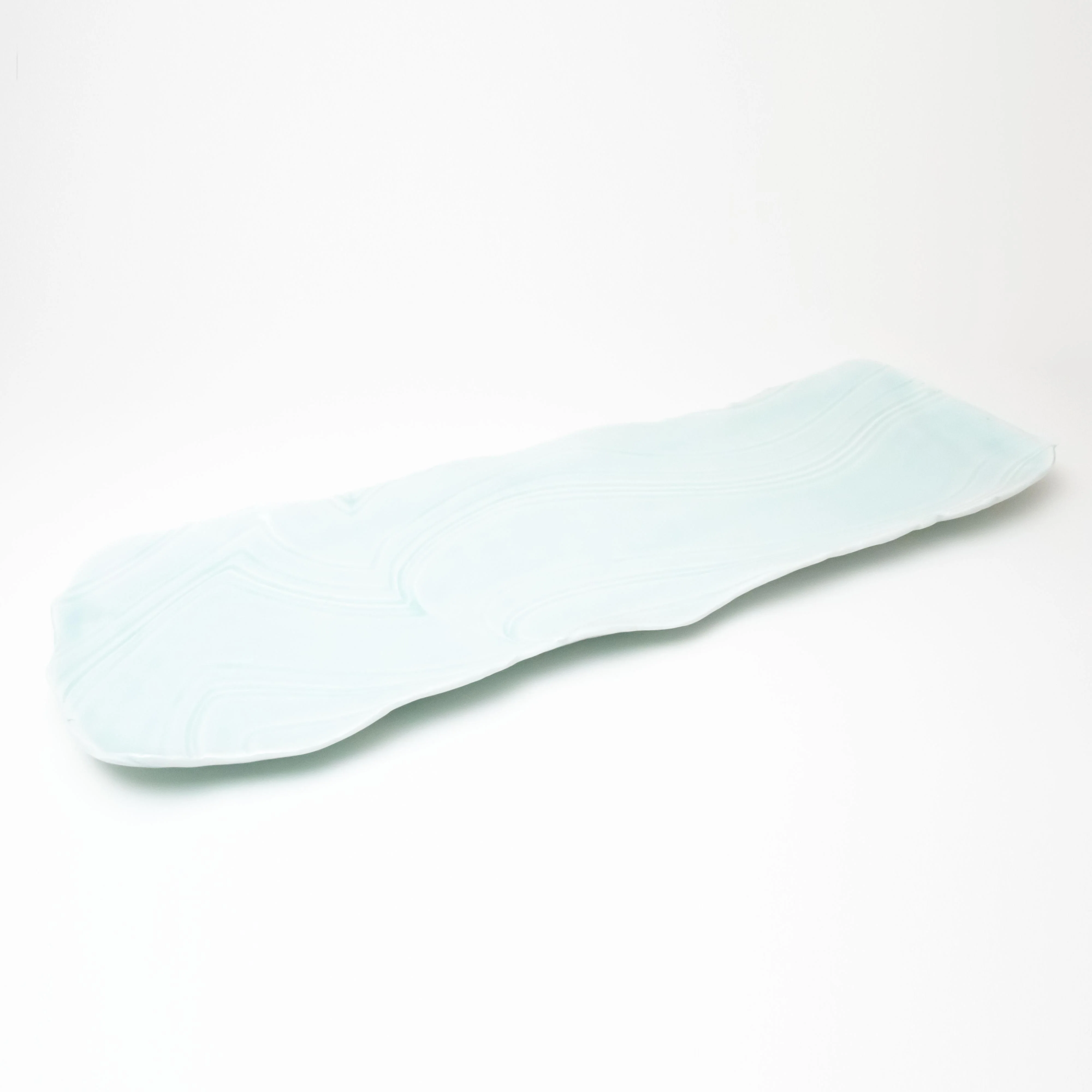
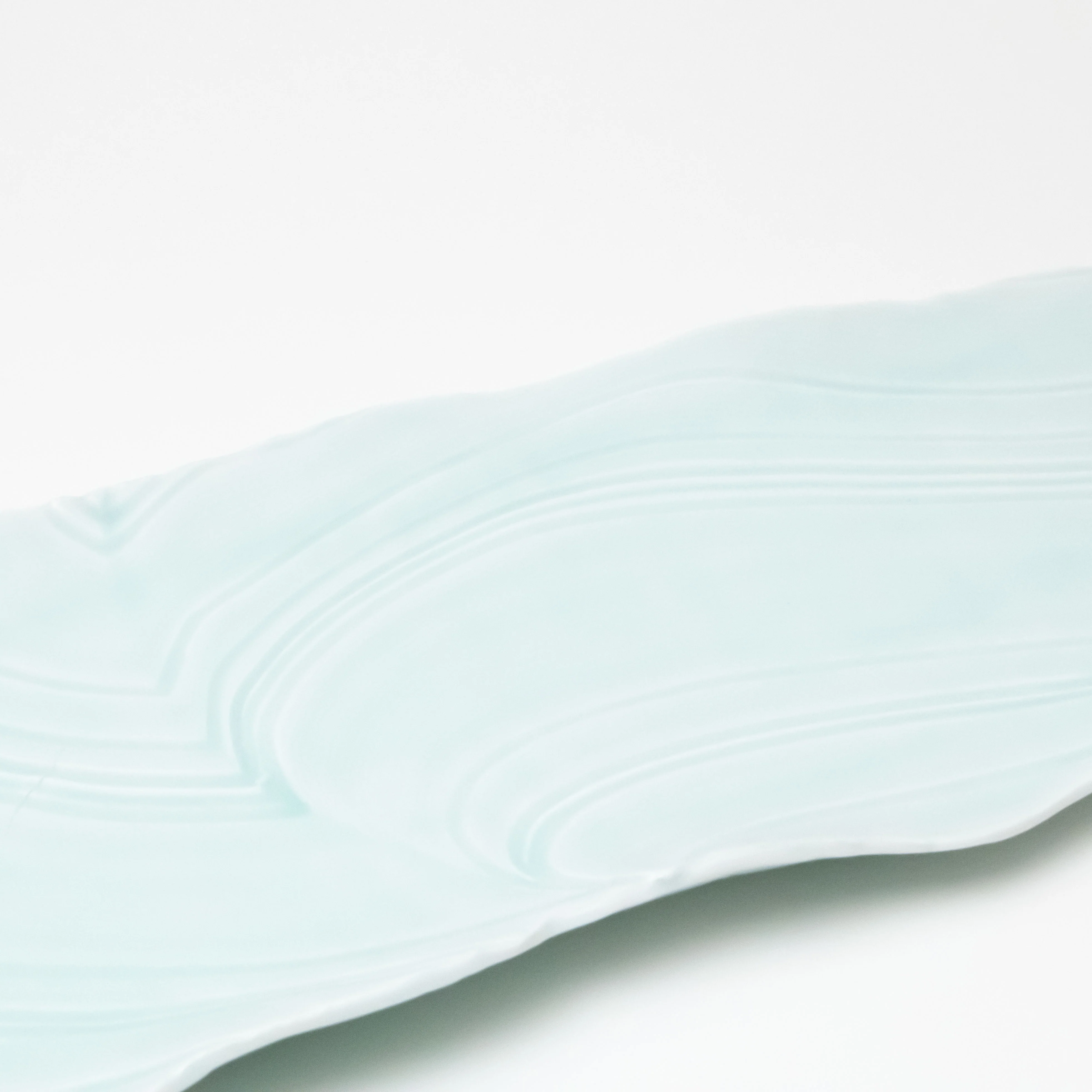
Slip cast Jingdezhen porcelain with Qingbai glaze.
Qingbai is a transparent glaze that pools to greeny blue.
Since working in China Yasuda has developed a range of slip-cast ware. His approach is similar to his thrown work in that he embraces but also challenges the process, but the results are very different for the same reason. Conventionally the seam marks produced when using multi part moulds are fettled away before firing; Yasuda retains them as a decorative feature. He also adds further similar decoration with lines engraved into the mould so that each pot is identical. In slip casting there is no plastic stage: the clay goes from liquid to solid before it can be released from the mould. The character of the form is therefore determined by the rigidity of the plaster. Yasuda has embraced this and designed forms that are severe, geometric and utterly different in feel from the thrown work.
Some industrial designers mimic the appearance of the hand- made. They cast forms that replicate the finger marks of throwing or use glazes that bring a degree of randomness. It is interesting that the hand is completely absent as a trace in the making of Yasuda cast work and his use of glaze is almost clinical.
What should we make of this work? As Walter Benjamin discusses artists have historically used mechanical reproduction such as printmaking to produce work that is more affordable than the one-off painting or sculpture. Fashion designers conventionally produce one-off garments as well as ranges for mass consumption. But to purchase one of the fine cast jugs or a set of elegant cups and saucers is not to have a more affordable version of Yasuda’s thrown work or a devalued copy. They are a body of enquiry that exists in its own right. This apparent conflict is completely consistent with Yasuda’s Japanese heritage where virtual high tech urban intensity sits next to craft practice of extraordinary materiality and age. They bring a fascinating dimension to this exhibition as another iteration of Yasuda’s insatiable curiosity as well as a material response to the challenge we all face as individuals in a post industrial society.
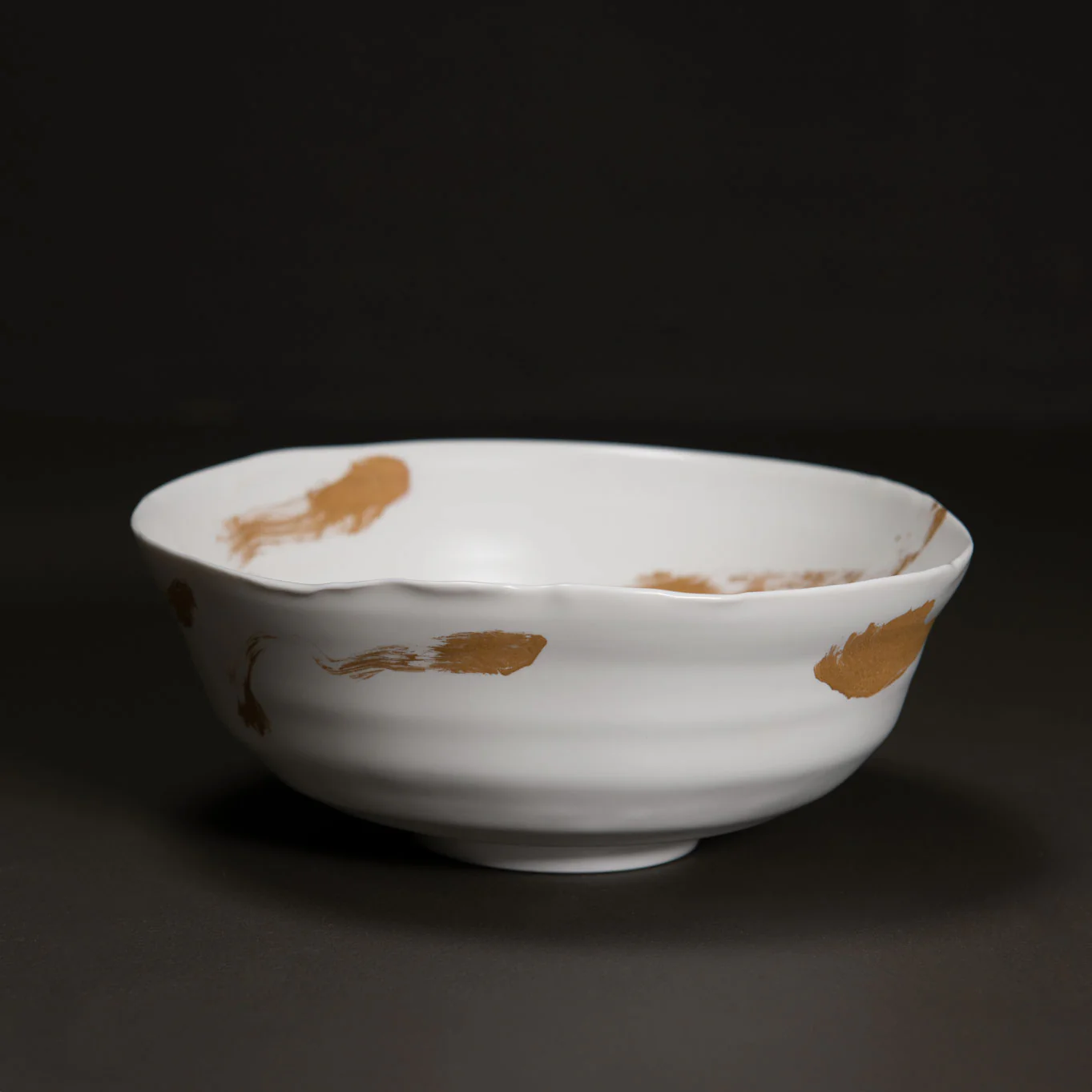
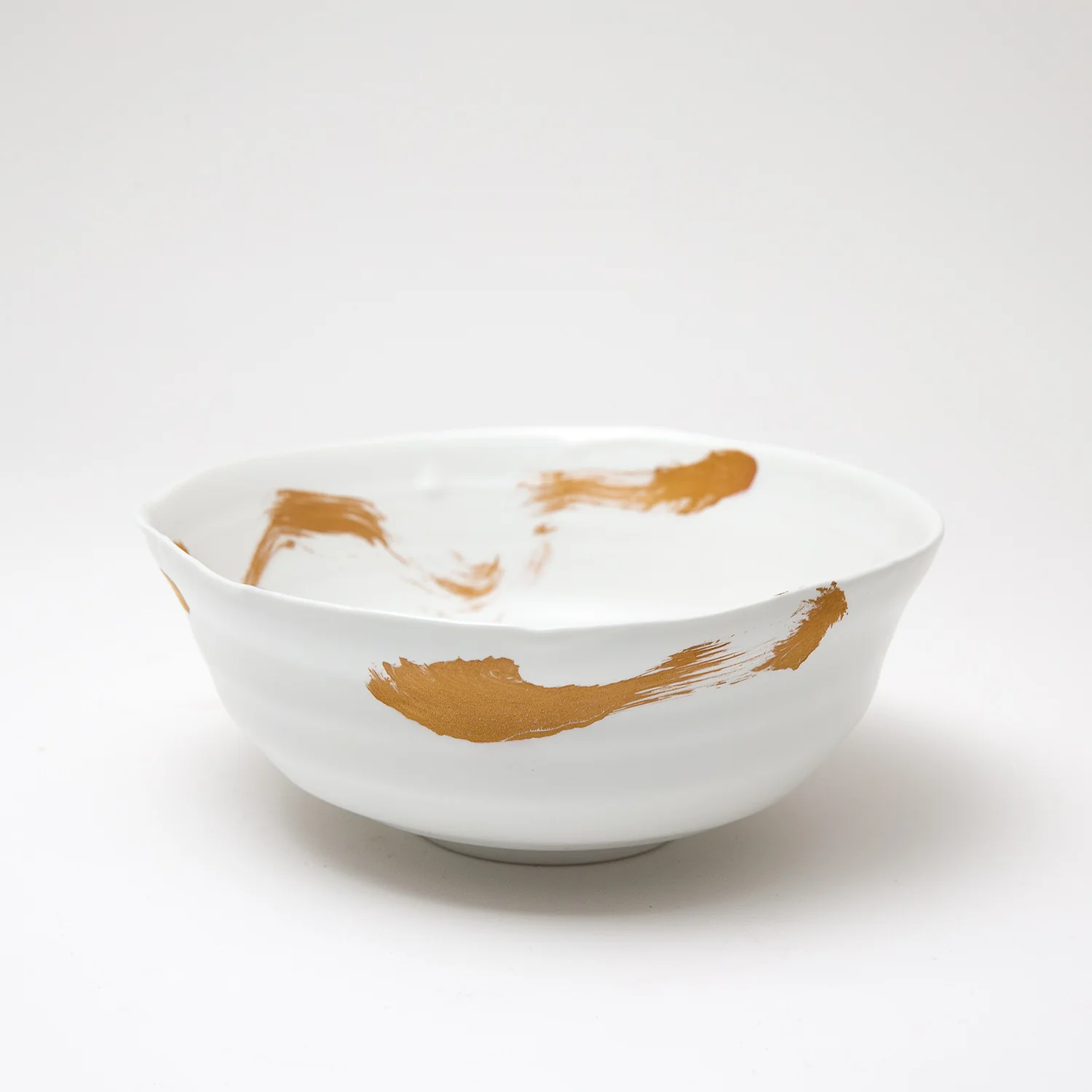
In this instance the photographs are for illustration purposes only, there may be very slight differences between each pot
Original: $141.43
-65%$141.43
$49.50Product Information
Product Information
Shipping & Returns
Shipping & Returns
Description
Slip cast Jingdezhen porcelain with Qingbai glaze.
Qingbai is a transparent glaze that pools to greeny blue.
Since working in China Yasuda has developed a range of slip-cast ware. His approach is similar to his thrown work in that he embraces but also challenges the process, but the results are very different for the same reason. Conventionally the seam marks produced when using multi part moulds are fettled away before firing; Yasuda retains them as a decorative feature. He also adds further similar decoration with lines engraved into the mould so that each pot is identical. In slip casting there is no plastic stage: the clay goes from liquid to solid before it can be released from the mould. The character of the form is therefore determined by the rigidity of the plaster. Yasuda has embraced this and designed forms that are severe, geometric and utterly different in feel from the thrown work.
Some industrial designers mimic the appearance of the hand- made. They cast forms that replicate the finger marks of throwing or use glazes that bring a degree of randomness. It is interesting that the hand is completely absent as a trace in the making of Yasuda cast work and his use of glaze is almost clinical.
What should we make of this work? As Walter Benjamin discusses artists have historically used mechanical reproduction such as printmaking to produce work that is more affordable than the one-off painting or sculpture. Fashion designers conventionally produce one-off garments as well as ranges for mass consumption. But to purchase one of the fine cast jugs or a set of elegant cups and saucers is not to have a more affordable version of Yasuda’s thrown work or a devalued copy. They are a body of enquiry that exists in its own right. This apparent conflict is completely consistent with Yasuda’s Japanese heritage where virtual high tech urban intensity sits next to craft practice of extraordinary materiality and age. They bring a fascinating dimension to this exhibition as another iteration of Yasuda’s insatiable curiosity as well as a material response to the challenge we all face as individuals in a post industrial society.
In this instance the photographs are for illustration purposes only, there may be very slight differences between each pot